Traveling in France With Kids: Practical Tips for Paris, Trains, and Restaurants
By: Jean-Paul and Jessica - Published April 29, 2025. Last Updated: February 1, 2026
Some links in this post are affiliate links. If you click and buy, we earn a small commission at no extra cost to you. As Amazon Associates, we earn from qualifying purchases. We only link to products we use or recommend ourselves.
Quick Tips for Traveling in France With Kids
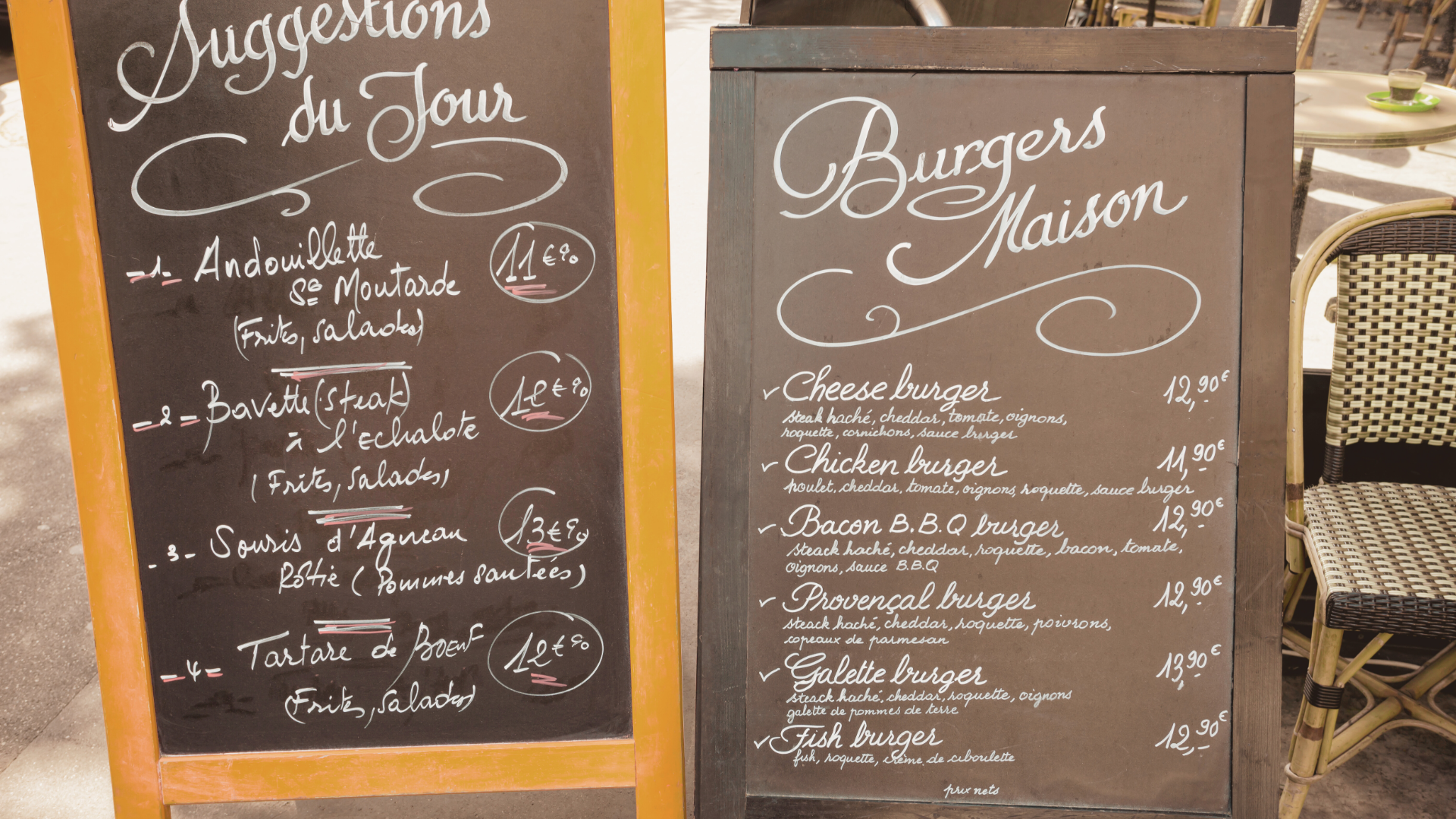
Restaurants welcome children but expect them to sit calmly at the table.
Brasseries and crêperies are the easiest places for family meals.
Almost all Paris Metro stations have stairs, so lightweight strollers or baby carriers help.
High-speed trains are comfortable and exciting for kids.
Picnics in parks often work better than late restaurant dinners.
Why Is France Especially Good for Traveling With Kids?
France is naturally family-friendly in ways many visitors don’t expect. Children are part of daily life from an early age: they sit through long lunches, try new foods, and are generally well-behaved in public spaces. For visiting families, the main adjustments are around timing meals, using a stroller or carrier wisely, and pacing your days. Parents who follow these small adjustments often find that France is easier to travel with kids than many guidebooks suggest.
How Child-Friendly Are French Restaurants?
French children eat in restaurants with their parents from an early age, and by school age, they can spend hours at the table without incident. And without screens! For the French, the expectation is that kids will behave reasonably in shared spaces.
Brasseries and crêperies are the most welcoming for families. Most offer a menu enfant covering a main, dessert, and drink for 8–12 euros. When there’s no kids’ menu, an omelet, pasta, or a baguette with butter works at almost any restaurant.
Jean-Paul: "French restaurants are not hostile to children. They are hostile to disruption. Those are different things."
What Are the Best Things to Do in Paris With Kids?
Families who struggle in Paris usually try to see too much. One major attraction per day works well for kids under ten. Older children can handle two if the second activity is low-effort.
The Jardin du Luxembourg is worth a full morning. Kids rent small wooden sailboats and push them around the fountain with sticks. The park also hosts puppet shows on weekends.
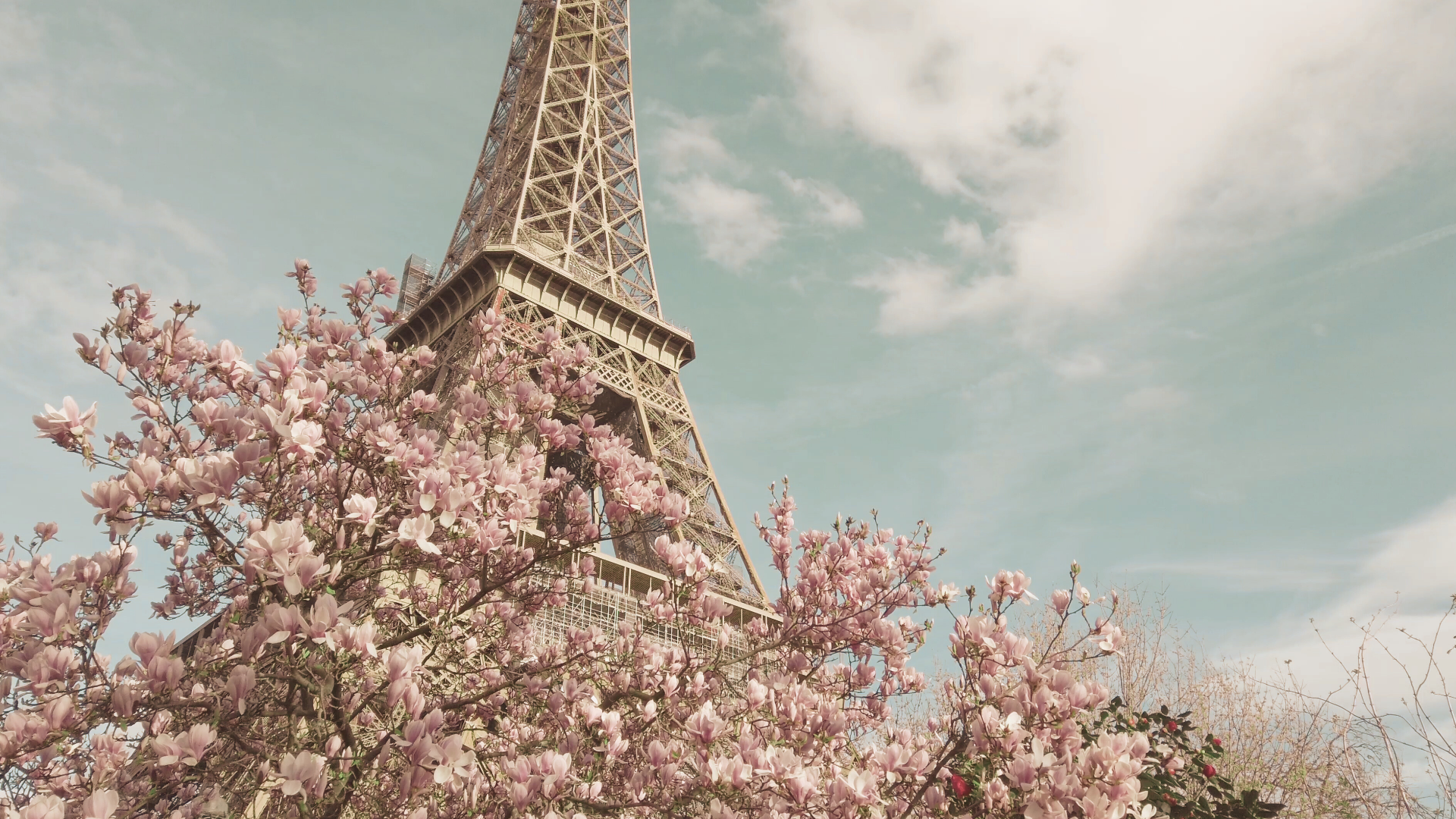
The Tuileries Garden has trampolines in summer, and the lawns at Champ de Mars give kids space to run while still facing the Eiffel Tower.
The Cité des Sciences et de l’Industrie is one of Europe’s best science museums for children. The exhibits are interactive, and the Cité des Enfants section is designed for younger kids. Families often spend several hours there. For children under twelve, it is usually a more engaging day than the Louvre Museum.
The Palace of Versailles is worth a full-day visit. Book tickets ahead and arrive early. The palace becomes extremely crowded in summer, but the gardens are enormous and give kids room to roam. Fountain shows run during warmer months and are worth planning around.
Timed entry is strongly recommended for the Eiffel Tower, the Louvre Museum, and Palace of Versailles. Walk-up lines are often long in high season.
Public toilets exist in parks, museums, and train stations. Paris also has automated street toilets. Outside major cities, restrooms are easier to find in cafés and restaurants than on the street.
How Do You Use the Paris Metro With Kids?
Children under four ride free on the Paris Métro, and ages four to nine pay reduced fares. Use the official RATP site for all up-to-date ticket prices.
Many stations have stairs and narrow turnstiles. Strollers often need to be folded and carried up or down. The Cybex Libelle 2 Travel Baby Stroller is perfect not only for metros but also navigating the airport and stowing in the overhead compartment. Many families switch to a baby carrier on Metro days.Many families use a soft structured carrier like the Ergobaby Omni 360 Baby Carrier.
If possible, avoid the Metro during weekday rush hours (roughly 8–9:30 AM and 5–7 PM), when trains are crowded and platforms busy.
How Should You Travel Around France With Kids?
Children under four can travel free if they sit on a parent’s lap on France’s SNCF high-speed trains.
The TGV network connects Paris to major cities: Lyon in about two hours, Marseille in around three, and Bordeaux in just over two hours. High-speed trains are comfortable, and many children enjoy the ride itself.
On longer trips, quiet activities help. Mess-free activity books such as Melissa & Doug Water WOW! Reusable Water-Reveal Activity Pads work well for ages three to seven.
When trains arrive, boarding moves quickly. Keep children close on the platform and have tickets ready before the train stops.
Outside major cities, a rental car is often the easiest way to reach villages and weekly markets. Reserve a child seat when booking to avoid shortages, or bring your own (it doesn’t count as a carry-on or checked bag item!
For specific gear ideas, see our guide on best travel gear for kids in France (ages 5–12).
What Should You Eat in France With Kids?
French dinner service often starts around 7:30 PM. For jet-lagged children, consider brasseries with continuous service from noon or make lunch the main meal. Picnics in parks with bread, cheese, and charcuterie are usually more memorable than restaurant dinners.
Breakfast and snacks are easy: pain au chocolat, croissants, and crêpes handle most situations. Lunch and dinner commonly include steak frites, roast chicken, omelets, and pasta.
Jessica: “We bought cheese and bread from a market in Provence and ate by a fountain. That lunch is what our kids still remember, not the restaurants.”
What Are the Most Useful Practical Tips for Traveling in France With Kids?
Pharmacies: Many minor health issues can be handled without a doctor. Pharmacists often speak English.
High chairs: Most restaurants only have a couple.
Supermarkets: Often closed Sundays or midday; shop ahead for picnics or self-catering.
Playgrounds (aires de jeux): Found in most parks and neighborhoods, usually divided by age group.
Carousels: Appear in city squares and village centers. A short ride can reset a difficult afternoon.
What Activities Work Best for Different Ages?
Under three: Logistics matter most. Metro stairs, cobblestones, and late dinner hours make a carrier plus a lightweight stroller essential.
Five to ten: Daily active or hands-on experiences keep children engaged. Castles, train rides, markets, and playgrounds work well.
Teens: Often more adaptable than parents expect. Food, history, and a bit of independent exploration keep them happy.
Frequently Asked Questions
Is France a good destination for families with young children?
Yes. France welcomes families and offers parks, museums with hands-on sections, and relaxed cultural rhythms that make travel with kids manageable and enjoyable when you pace your days and adjust meal timing.
Do French kids eat in restaurants?
Yes. Most restaurants in France, especially brasseries and crêperies, offer a menu enfant with a main dish, dessert, and drink at a kid-friendly price. If there’s no kids’ menu, simple options like omelets, roast chicken, or pasta are available almost everywhere.
Is Paris safe for children?
Paris is generally safe. Keep kids close in crowded areas like tourist attractions, agree on a meeting spot, and consider writing your phone number on a card in a young child’s pocket. Pickpocketing targets distracted tourists.
Can you use a stroller in Paris?
Yes, on streets and in parks. Many Metro stations have only stairs and narrow turnstiles, making strollers difficult. Using a baby carrier for Metro travel and saving the stroller for parks and flat streets is easier.
What do kids eat in France?
Bakery treats like pain au chocolat, croissants, and crêpes work for breakfast or snacks. Lunch and dinner often feature steak frites, roast chicken, and omelets. Picnics with bread, cheese, and fruit from local markets are highly recommended.
Do kids have to pay at museums in France?
No. All children, regardless of nationality, get free admission to museums in France. You’ll just need to show their passport to validate their age.
When is the best time to visit France with children?
Late spring and early fall (May, June, and September) usually have pleasant weather and fewer crowds than peak summer, making them ideal for family travel.
About the Authors
Jean-Paul grew up in Burgundy and has lived in France his entire life. Jessica is American and has been traveling to France for more than twenty years. They started Bonjour Guide because the most useful information about France tends to be the hardest to find. Meet Jean-Paul and Jessica.