Documents You Need When Traveling to France with Kids
By: Jean-Paul and Jessica - Published May 17, 2025, Updated March 3, 2026
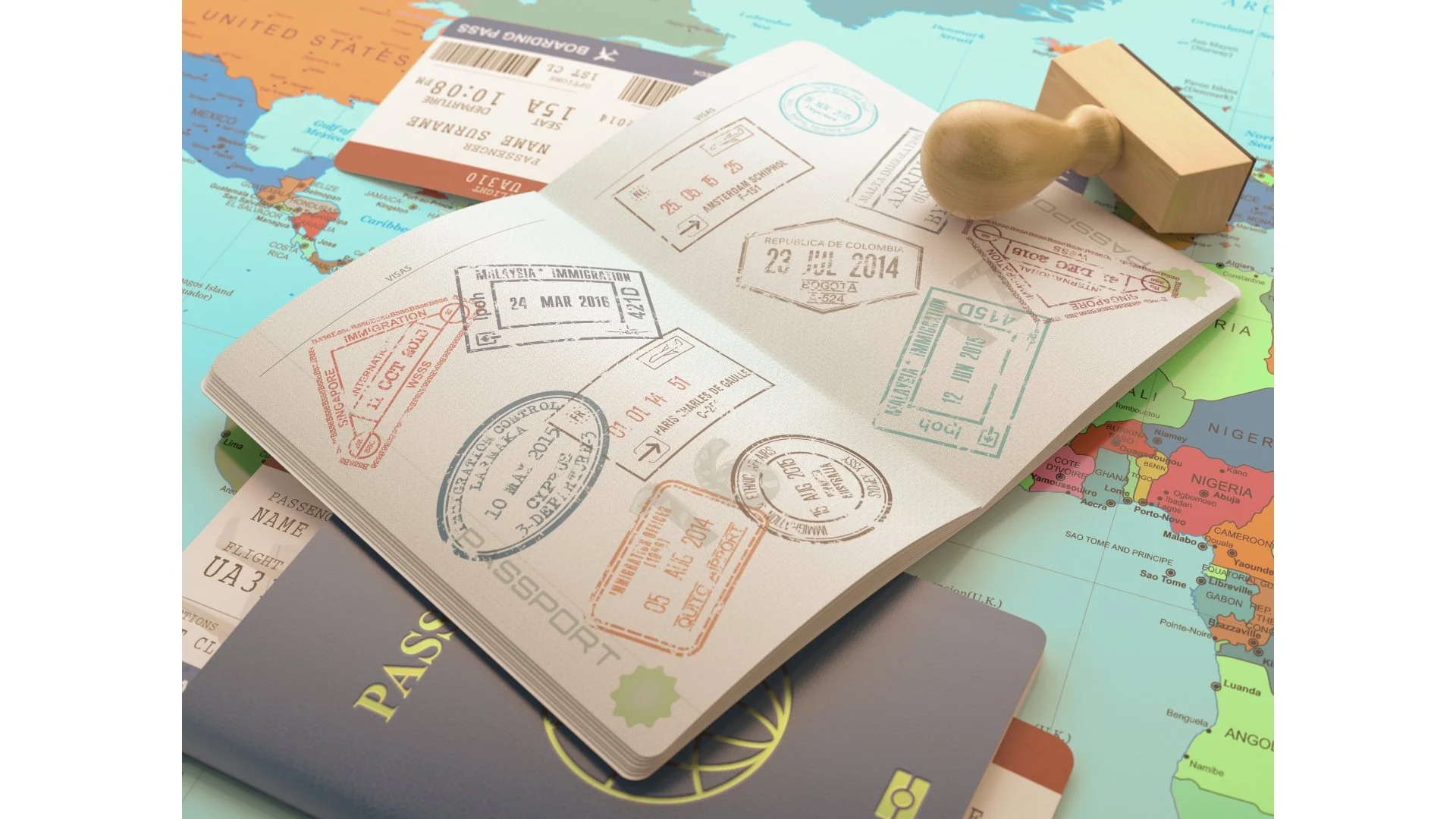
Traveling to France with children can be wonderful, but it also involves a fair bit of paperwork. Whether you're headed on a family vacation or sending your child abroad with a relative, a little planning now can save you major stress later. Here's what to bring, what to know, and how to avoid last-minute surprises at the airport.
Quick Checklist: What You'll Need
A valid passport for every traveler, including babies
A notarized travel consent form if one parent (or a non-parent) is traveling with the child
Once it launches in late 2026, an ETIAS travel authorization for each person
A folder with printed copies of all your key documents
Anything that helps you stay organized when the gate agent calls your name and your kid is eating raisins off the floor
Start With the Basics: Passports for Everyone
Yes, every child needs a passport, even infants. Kids' passports are only valid for five years, and you'd be surprised how many parents forget to check the expiration date until it's too late.
Things to double-check:
The passport must be valid for at least three months beyond your departure from the Schengen Zone. It also needs to have been issued within the last 10 years. This one catches people off guard, because you can have years left on your passport and still be turned away if the issue date is too old.
Processing times at the State Department currently run four to six weeks, but don't forget mailing time on both ends. The real total is closer to eight to ten weeks, and it can stretch even longer during peak season (late winter through summer). If you're cutting it close, expedited processing brings it down to two to three weeks for an extra $60.
For first-time child passports, both parents or guardians must show up in person with the child. If one parent can't make it, the absent parent needs to provide a notarized Form DS-3053 (Statement of Consent) along with a copy of their photo ID.
If your passport is expiring soon, renew early. It's not worth the risk of a denied boarding.
No Visa Required, But There's a Bit More to Know Now
U.S. citizens (adults and kids) can still enter France for trips under 90 days with just a passport. No visa needed.
But two things are changing that are worth keeping on your radar.
First, the EU has started rolling out a new biometric system at the border called EES (Entry/Exit System). It started in October 2025 and is still being phased in. When you arrive, your fingerprints and a facial photo will be collected digitally instead of getting a passport stamp. You don't need to do anything ahead of time, but the line at immigration may take a bit longer than you're used to, especially with kids in tow.
Second, ETIAS is still coming. The EU keeps pushing back the date, but the current plan is to go live in the last quarter of 2026. Once it does, you'll need to fill out a quick online form and get approved before you can board a flight to Europe. Not quite a visa, but still required.
Here's the latest on ETIAS: the fee has gone up. It's now €20 per person, not the €7 that was originally announced. Travelers under 18 and over 70 won't have to pay, but they still need to submit an application. Once approved, your ETIAS is good for three years or until your passport expires, whichever comes first.
One important thing: the system isn't live yet. Scam websites are already popping up claiming they can process your application. Don't fall for it. When it does launch, the only real site will be travel-europe.europa.eu/etias. Bookmark that and ignore everything else.
For a deeper dive, check out our post on ETIAS for France: What U.S. Travelers Need to Know.
What If You're Not Traveling as a Full Family?
Let's say one parent is staying home, or Grandma is taking the kids to Paris. This is where a notarized travel consent form comes in. France doesn't legally require it, but it's common for airline staff or border agents to ask for it, and not having one can cause delays or even prevent you from boarding.
What to include in the form:
Child's full name and date of birth
Name of the adult they're traveling with
Travel dates and destinations
Contact info and a notarized signature from the non-traveling parent or guardian
A copy of the absent parent's ID or passport (a nice extra to have)
Jessica: "I've flown with my kids solo a few times. Sometimes no one asks for the form, other times it's the first thing they want. I always bring two copies just in case."
One more thing worth noting: the U.S. State Department points out that minors who are residents in France and traveling without a parent need to carry a specific French consent form (Formulaire 15646*01) signed by a parent. That rule applies to residents, not tourists, but it's good to know if your family has ties to France.
How to Get a Travel Consent Form
There's no single official template, but you can find reliable ones from your airline, the U.S. State Department, or reputable legal sites. Fill it out, print it, and get it notarized. Done.
Jean-Paul: "It takes ten minutes to get a document notarized. It can take hours to fix things if you show up at the airport without it."
Keep It All Together: Travel Folder Musts
Here's what experienced parents swear by:
One folder with all your important documents
Extra printed boarding passes and hotel confirmations
Notarized consent form(s), plus a second copy tucked in a different bag
Emergency contact list and travel insurance info
A pen. Seriously. You'll need it when your kid is asleep on your shoulder and you're filling out a form on your thigh
A Few Bonus Tips for Traveling with Kids in France
Kids' menus aren't guaranteed, but many French restaurants will make smaller portions if you ask politely
A cheerful bonjour at the start of every interaction goes a long way
Airport agents and security are more patient with prepared families. Keep calm, stay organized, and smile even when your kid is melting down over the wrong color apple juice
Need more help planning your trip? Don't miss our Family Guide.
Final Pre-Trip Checklist
Before you head out the door, triple-check that you've got:
Valid passports for every traveler (with enough validity left and issued within the last 10 years)
Notarized consent forms, if needed
Printed confirmations for flights, hotels, and transportation
ETIAS, once the system goes live later in 2026
Snacks, activities, and some low-stakes bribery for the flight
FAQs: Common Questions About Family Travel to France
Do kids need passports to go to France? Yes. Every traveler needs their own passport, no matter how young they are.
What if I'm traveling alone with my child? You should absolutely bring a notarized travel consent form from the other parent, even if it's not legally required. Many officials expect it.
Will kids need ETIAS? Yes. Once the system launches in late 2026, ETIAS will apply to every traveler, including babies. Kids under 18 won't have to pay the €20 fee, but they still need an approved application.
How much does ETIAS cost? €20 per person. Travelers under 18 and over 70 are exempt from the fee.
Can I just show a digital version of the consent form? Bring a printed, signed, and notarized copy. Some agents won't accept digital versions.
What's the deal with the new biometric system at the border? The EU's Entry/Exit System (EES) is rolling out now at Schengen borders. Your fingerprints and a photo will be taken at immigration. Nothing to do in advance, but give yourself a bit of extra time at border control, especially while the transition is still underway.
How long does it take to get a child's passport? Processing at the State Department runs four to six weeks, but with mailing time on both ends, the real total is closer to eight to ten weeks. Apply early, especially if you're traveling during the busy spring and summer season.
Bottom Line
Traveling to France with kids is entirely doable, and worth every bit of planning it takes. Having the right documents on hand keeps your trip on track and gives you peace of mind. After that, it's just you, your crew, and the adventure ahead.
Bon voyage.
About the Authors
Jean-Paul grew up in Burgundy and has lived in France his entire life. Jessica is American and has been traveling to France for more than twenty years. They started Bonjour Guide because the most useful information about France tends to be the hardest to find. Meet Jean-Paul and Jessica.